Federal funding programs are under review as of 1/27/25. We'll make updates as new info is released.
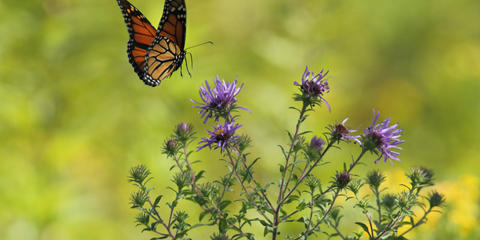
The Monarchs and More Western Habitat Program (M&MWHP) provides free regionally native wildflower seed mixes, plant materials for select projects, milkweed plugs (when appropriate), and technical assistance for native pollinator habitat creation and enhancement throughout California. The native seed mixes include regionally specific wildflowers, including annuals and perennials, designed with overlapping bloom periods throughout the growing season. We are excited to engage land stewards in the establishment of self-sustaining native habitat to support all pollinators.
This program supports two complementary tracks **in the state of California, a community-focused program and a working lands program. **
Both program tracks share the same goal: to build connected, resilient pollinator and wildlife habitat across the western landscape while providing opportunities for humans to reconnect with nature. We will especially focus on connecting habitat across key gaps between existing M&MWHP sites and other monarch habitat projects in and around Marin, Napa, Sonoma, Tulare, Fresno and adjacent counties
This program is for multi-site or coordinated community efforts through entities such as school districts, tribal communities, city park systems, neighborhood coalitions, or regional networks of gardens (e.g., libraries, faith centers, community organizations, RCD’s from adjacent counties). These projects emphasize human connection to nature, education, collaboration, and habitat connectivity across a broader landscape.
Note: Individual sites or small community gardens may still apply but are strongly encouraged to partner with nearby neighbors, organizations or city green space programs to demonstrate how their efforts contribute to a larger, connected landscape. If a smaller entity applies, we may pair them with a larger project that exists in their area.
Ideal projects:
-
Represent a network of California sites (e.g., multiple schools, parks, or community gardens).
-
Are supported by a coalition, city, resource conservation district, tribe, organization or group with a shared plan for habitat care and community engagement and learning opportunities.
-
Have a clear strategy for **habitat connectivity across **a broader landscape and plan for long-term maintenance.
-
Have a main Project Lead to liaise between project sites and MJV.
**Required Location: ** All projects must be located in California. Projects outside of California will not be considered.
Minimum project area and distance: ~0.25 acres total, which may include multiple smaller gardens or habitat patches within a coordinated network. All projects must be located within 10 miles of each other.
**Required Timeline: ** Projects must remain as habitat for at least 3 years, but ideally projects remain habitat into perpetuity.
Other Requirements:
-
**Irrigation: ** Irrigation is required for projects within the first two years of implementation to ensure proper plant establishment.
-
Signage: Projects will be required to post educational signage provided by MJV.
-
Protection: Habitat must be protected from pesticides, untimely mowing or other events that could hinder the full life cycle development of the beneficial species that are attracted to the habitat.
This program is for farms, ranches, and other working lands across the state of California focusing on best management practices (BMPs) and the agricultural benefits of pollinator habitat in addition to the ecological benefits. Projects may include permanent hedgerows, wildflower strips, field borders, or insectaries that improve biodiversity and provide pollination and natural pest control benefits.
Ideal projects:
-
Are supported by all levels of operations management with a shared plan for habitat care, team engagement and learning opportunities.
-
Have a clear **strategy for protecting habitat **within the farm/ranch operation and a plan for pollinator-friendly long-term maintenance
-
Have a main Project Lead to liaise between project sites and MJV.
-
Apply in collaboration with their neighbors to save time and demonstrate how their efforts contribute to a larger, connected landscape.
**Required Location: ** All projects must be located in California. Projects outside of California will not be considered.
Minimum project area: 0.25 acre (can be divided into multiple patches on one property).
**Required Timeline: ** Projects must remain as permanent, pollinator-friendly, stewarded habitat for at least 3 years, but ideally projects remain stewarded habitat into perpetuity.
Other Requirements:
-
**Irrigation: ** Irrigation is required for projects within the first two years of implementation to ensure proper plant establishment.
-
Protection: Habitat must be protected from pesticides, untimely mowing or other events that could hinder the full life cycle development of the beneficial species that are attracted to the habitat.
-
**Site Map: ** All selected participants will be required to provide a map of their habitat site.
Eligibility
Interested parties must submit a short online interest form by clicking on either the Community or Working Lands tracks A second phase of the selection process will involve an informational call with MJV staff. Projects that don’t meet the minimum requirements will be notified via email. Interest forms will be reviewed on a rolling basis while funding lasts, with priority given to interest received before May 1st. Projects that are eligible will be notified of their status in the program on a rolling basis and as soon as possible, but no later than the beginning of May.** Find more information on the program guidelines here in English y aquí en Español**
The Monarchs and More Western Habitat Program accepts interest forms on a rolling basis.
Terms
In exchange for free regionally appropriate seeds, milkweed plugs, native plants, and technical assistance, we expect that selected program participants:
-
Are willing to put in the necessary time and effort to prepare, plant, and manage their pollinator habitat site. The program does not provide access to equipment or additional labor required for project installation or maintenance
-
Have a plan for supplemental irrigation of their pollinator habitat site (especially during droughts)
-
Have a plan to mitigate pesticide exposure specifically to their pollinator habitat site(s)
-
Will stay in regular communication with MJV staff during the first year of the project to share brief updates, photos and progress reports. In return, MJV will provide technical assistance throughout the first year. This collaboration may extend longer if both parties agree
-
Will provide a site map and report annually on the progress and status of their pollinator habitat after the first growing season and for the following 3 years
-
Are willing to care for and maintain the site as pollinator habitat for a minimum of 3 years
-
(Optional) Will consider participating in educational webinars and pollinator data collection, and hosting habitat demonstration days to showcase their pollinator-friendly practices for other growers
Application Instructions
-
Interested parties submit an interest form. This process will take around 20 minutes.
-
MJV staff will reach out to conduct an informal interview and ask for an aerial map of the proposed habitat project. Projects that don ’t meet the minimum requirements will be notified via email.
-
Interest forms will be reviewed on a rolling basis while funding lasts, with prioritization given to interest forms received before May 1st. Projects that are eligible will be notified of their status in the program on a rolling basis and as soon as possible, but no later than the end of May.
Related Programs

A Multi-Faceted Approach to Incentivizing Woody Perennial Growers to Establish Cover Crops in Orchards in Four Diverse Regions of the United States
Agoro Carbon Alliance US, U.S. Department of Agriculture
- Grant
- Climate-Smart
- CA
- WA
- OR
- MI
- FL
- Fruits
- Tree Nuts
A Vibrant Future
International Fresh Produce Association, U.S. Department of Agriculture
- Grant
- Climate-Smart
- AL
- CA
- FL
- GA
- LA
- Berries
- Grapes
- Fruits
- Vegetables
ACRE3 Agricultural Energy Efficiency
Colorado Department of Agriculture
- Grant
- Cost Share
- Loan
- Alternative Energy
- Conservation
- Irrigation
- Storage
- Greenhouse
- CO
- Any
ACRE3 Irrigation Hydropower Programs
Colorado Department of Agriculture
- Grant
- Cost Share
- Loan
- Hydro Power
- Alternative Energy
- Irrigation
- Conservation
- Water Management
- Equipment
- CO
- Any
Details
Deadline
May 1, 2025
Organization
Financial Instrument
Discount
Updated January 28, 2026
Image Credit: Gary Bendig
This information was gathered from public sources. Ambrook is not responsible for or able to affect the results of any financial programs listed, nor are they responsible for any incorrect information that is listed or is on the hyperlinked external sites. All information is subject to change.
Explore hundreds more programs on Ambrook.